Available courses

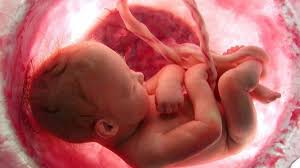
Reproduction is the biological process by which living organisms produce offspring, ensuring the survival of their species. In both humans and animals, reproduction can occur in different ways, but it always involves the passing of genetic information from one generation to the next. 

Control and Coordination are the processes by which organisms maintain a stable internal environment despite external changes. This involves receiving information from the environment, processing it, and responding appropriately. Nervous and hormonal systems play crucial roles in this process.

Classification organizes organisms into groups based on shared characteristics. Biodiversity refers to the variety of life on Earth, encompassing species, ecosystems, and genetic diversity. Conservation seeks to protect biodiversity and prevent species extinction, ensuring the health of our planet and its ecosystems.

Selection is the process by which individuals with advantageous traits are more likely to survive and reproduce, passing these traits to their offspring. Evolution is the gradual change in the genetic makeup of a population over time, driven by selection and other factors like genetic drift and gene flow. This process leads to the development of new species and adaptations to changing environments.

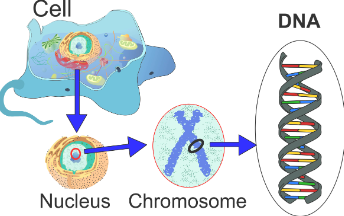
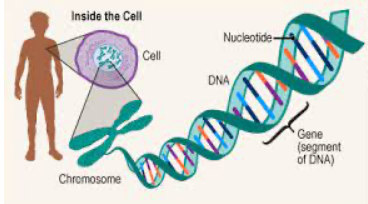
Inheritance is the passing of genetic traits from parents to offspring. It is governed by genes, which are segments of DNA that carry genetic information. These genes are transmitted through chromosomes during reproduction, ensuring the continuity of inherited characteristics across generations.

Homeostasis is the body's ability to maintain a stable internal environment despite external changes. It involves various systems working together to regulate temperature, blood pressure, blood sugar, and pH levels. This balance is crucial for optimal health and function.

Photosynthesis is a process used by plants and some other organisms to convert sunlight into chemical energy. It occurs in the chloroplasts of plant cells, where chlorophyll pigments capture sunlight and convert it into energy to synthesize glucose from carbon dioxide and water. Oxygen is released as a byproduct.

Energy is vital for life's processes. Respiration breaks down glucose to release energy. Aerobic respiration uses oxygen for maximum energy, while anaerobic respiration functions without oxygen. Mitochondria are the cellular powerhouses where respiration occurs.

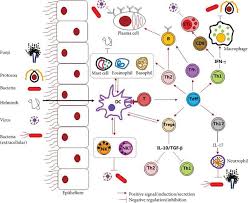
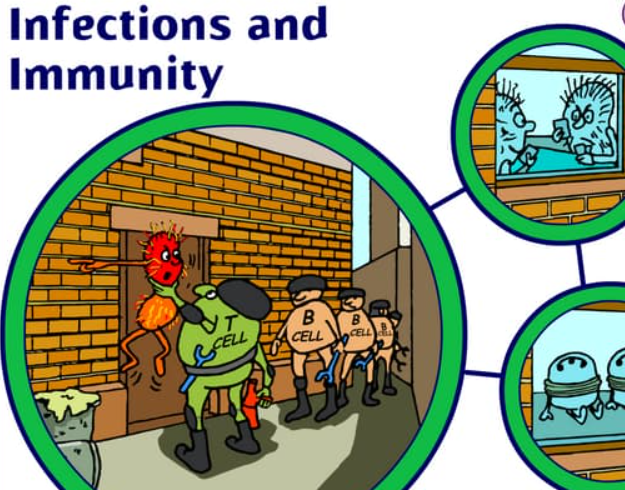
Immunity is the body's defense system against pathogens. It involves complex interactions between cells and proteins, like white blood cells and antibodies. There are two main types: innate, providing immediate, non-specific protection, and adaptive, which develops over time and targets specific pathogens. A healthy immune system helps prevent infections and maintain overall health.

Infectious diseases are caused by the invasion and multiplication of pathogenic organisms within a host. These organisms can be bacteria, viruses, fungi, protozoa, or parasites. Infectious diseases can spread through various means, including contact with an infected person, contaminated food or water, or air. Symptoms can vary widely depending on the type of infection.

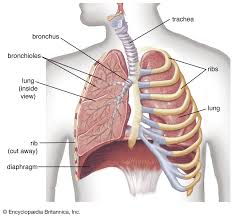
Gas exchange is the process by which animals obtain oxygen from the environment and release carbon dioxide, a waste product of cellular respiration. This exchange occurs through specialized respiratory organs like the lungs, gills, or skin. These organs facilitate the diffusion of gases between the animal's internal environment and the external atmosphere.

Transport in mammals is essential for delivering nutrients, oxygen, and hormones throughout the body. The circulatory system, consisting of the heart, blood vessels, and blood, plays a crucial role. The heart pumps blood, carrying oxygen and nutrients to cells and removing waste products. Blood vessels, including arteries, veins, and capillaries, form a network that distributes blood throughout the body.

Plants have two transport systems: xylem for water and minerals, and phloem for sugars. The xylem uses capillary action and transpiration, while the phloem uses translocation. These systems ensure nutrients reach all parts of the plant.

Proteins are essential building blocks of cells, performing various functions like enzymes, structural components, and transporters. Nucleic acids (DNA and RNA) store and transmit genetic information, guiding the production of proteins. They work together to maintain life's processes.

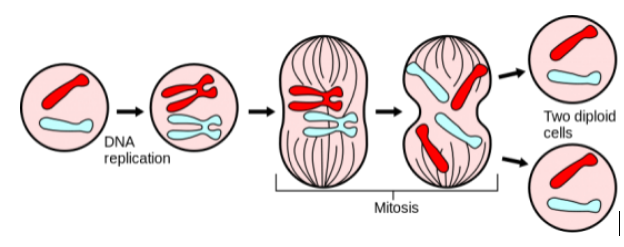
Cancer is a disease that occurs when cells in the body grow uncontrollably and spread to other tissues. This abnormal growth often involves the uncontrolled division of cells, known as mitosis. When mitosis goes awry, cells can divide too rapidly and uncontrollably, leading to the formation of a tumor. If these tumor cells spread to other parts of the body, it's called metastasis. Early detection and treatment is crucial for improving outcomes in cancer..

Organisms are interconnected with their environments. They need to exchange substances like nutrients, oxygen, and water to survive and grow. This exchange happens through specialized structures like leaves in plants or lungs in animals. By studying these processes, we can understand how ecosystems work and the importance of preserving our natural world. So, let's explore the fascinating relationship between organisms and their environments!

Enzymes are biological catalysts that speed up chemical reactions. They are specific to their substrates and can be influenced by various factors. Enzymes play crucial roles in digestion, metabolism, and cellular functions!

Biomolecules are the building blocks of life. They are essential for all living organisms. Understanding biomolecules can help you unlock the mysteries of the human body and develop new treatments for diseases. It's a fascinating field that can lead to exciting careers in science, medicine, and biotechnology. So, let's dive in and explore the world of biomolecules!

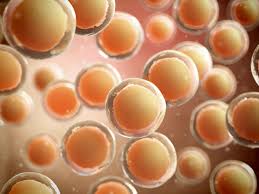
Cells are the smallest units of life. They are the building blocks of all living organisms, from bacteria to humans. Understanding cells is essential for understanding how life works. Cells perform a variety of functions, including energy production, protein synthesis, and cell division. By studying cells, we can learn about the causes of diseases and develop new treatments. So, let's explore the fascinating world of cells!

Reproduction is the biological process by which living organisms produce offspring, ensuring the survival of their species. In both humans and animals, reproduction can occur in different ways, but it always involves the passing of genetic information from one generation to the next. 

Muscles and bones work together to form the musculoskeletal system, which gives our bodies structure, support, and the ability to move. Bones provide a rigid framework that supports the body and protects vital organs, like the brain and heart. They are also involved in producing blood cells and storing minerals like calcium.

Microscopes are essential tools for biologists. They allow us to see things that are too small to be seen with the naked eye. By using the microscopes, scientists can observe cells in detail, which helps them understand how cells work and how they contribute to the larger organism. There are different types of microscopes, such as light microscopes and electron microscopes.

Light microscopes use visible light to magnify objects, while electron microscopes use beams of electrons for much higher magnification. 

The control of gene expression is essential for life. It determines which genes are turned on or off in a cell. Several mechanisms regulate gene expression, including transcriptional, post-transcriptional, translational, and post-translational control. Disruptions in gene expression can lead to diseases. Understanding gene expression is crucial for developing new treatments.

Genetics, populations, evolution, and ecosystems are interconnected. Genetics provides the blueprint for life, while populations are the units of evolution. Evolution explains how species have changed, and ecosystems illustrate the complex interactions between organisms and their environments. Understanding these concepts is crucial for understanding the diversity of life on Earth. Let's explore this fascinating interconnectedness! 

Organisms are masters of adaptation. They constantly respond to changes in their environments to survive and thrive. These responses, from shivering to hibernation, help maintain a stable internal state. By studying these adaptations, we can learn about the amazing diversity of life and the importance of preserving our planet's ecosystems. Let's explore the fascinating world of organismal responses!

Energy is the currency of life. It flows through ecosystems, from producers to consumers and decomposers. Understanding energy transfers helps us appreciate the interconnectedness of all living things. By studying energy flows, we can learn how to conserve resources and protect our planet. Let's explore the fascinating world of energy transfers and the delicate balance of life on Earth!

Genetic information is the blueprint for life. It is stored in DNA and RNA, which are molecules that contain the instructions for building and maintaining an organism. Variations in genetic information can lead to differences between individuals, such as eye color or height. By studying genetic information, we can understand how evolution has shaped life on Earth and the relationships between different species. So, let's explore the fascinating world of genetics and the diversity of life!

Organisms are interconnected with their environments. They need to exchange substances like nutrients, oxygen, and water to survive and grow. This exchange happens through specialized structures like leaves in plants or lungs in animals. By studying these processes, we can understand how ecosystems work and the importance of preserving our natural world. So, let's explore the fascinating relationship between organisms and their environments!

Cells are the smallest units of life. They are the building blocks of all living organisms, from bacteria to humans. Understanding cells is essential for understanding how life works. Cells perform a variety of functions, including energy production, protein synthesis, and cell division. By studying cells, we can learn about the causes of diseases and develop new treatments. So, let's explore the fascinating world of cells!

Biomolecules are the building blocks of life. They are essential for all living organisms. Understanding biomolecules can help you unlock the mysteries of the human body and develop new treatments for diseases. It's a fascinating field that can lead to exciting careers in science, medicine, and biotechnology. So, let's dive in and explore the world of biomolecules!

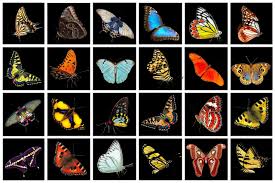
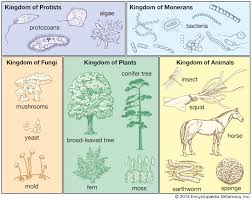
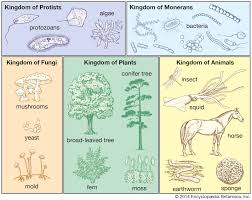
Living organisms on Earth exhibit a remarkable variety, ranging from microscopic bacteria to massive trees and complex animals. This diversity, known as biodiversity, includes different species, each adapted to their unique environments. Organisms can be classified into groups like plants, animals, fungi, bacteria, and protists, each with distinct characteristics. For example, plants perform photosynthesis, animals rely on other organisms for food, and fungi decompose organic matter. This variety of life forms plays a crucial role in maintaining ecosystems, as each organism contributes to the balance and health of the environment in which they live. .

Microorganisms, such as bacteria and fungi, play a crucial role in various biological processes and are widely used in biotechnology. In IGCSE Biology, you learn how microorganisms are harnessed in the production of food, medicines, and industrial products. For example, bacteria are used in the production of yogurt and cheese through the fermentation process, while yeast, a type of fungus, is essential in baking and brewing because it ferments sugars to produce carbon dioxide and alcohol. Additionally, microorganisms are used in the production of antibiotics, such as penicillin, and in genetic engineering to produce insulin and other medicines. Their versatility makes them invaluable tools in both natural and industrial processes. .

Transport in plants involves the movement of water, minerals, and nutrients throughout the plant, essential for growth and survival. This process occurs primarily through two specialized tissues: xylem and phloem. The xylem transports water and dissolved minerals from the roots to the leaves, driven by processes like root pressure, capillary action, and transpiration pull. The phloem, on the other hand, distributes sugars and other organic compounds produced during photosynthesis from the leaves to other parts of the plant, a process known as translocation. This efficient transport system enables plants to nourish themselves and respond to environmental changes.

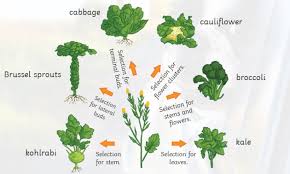
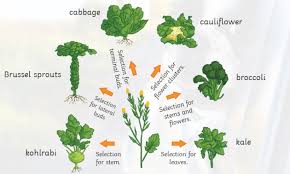
Selective breeding is a process where humans intentionally breed plants or animals with desirable traits to produce offspring that inherit those traits. This practice has been used for centuries in agriculture and animal husbandry to enhance characteristics such as higher crop yields, disease resistance, or specific physical attributes in animals, like faster horses or dogs with particular temperaments. By choosing parents with the desired traits, selective breeding helps shape the genetic makeup of future generations, resulting in improved species that better meet human needs or preferences.

Plant reproduction can occur through sexual or asexual means. In sexual reproduction, plants produce seeds through the fusion of male and female gametes, often facilitated by flowers. This process involves pollination, where pollen from the male part of a flower (anther) reaches the female part (stigma), leading to fertilization and seed development. Asexual reproduction, on the other hand, involves the creation of new plants from vegetative parts such as stems, roots, or leaves, without the involvement of seeds. This can occur naturally, as in runners of strawberry plants, or through human intervention, such as cuttings or grafting. Both methods enable plants to propagate and adapt to their environments.

Reproduction is a fundamental biological process by which organisms produce offspring, ensuring the continuation of their species. It can occur through two main methods: sexual reproduction, involving the combination of genetic material from two parents, and asexual reproduction, where a single organism produces genetically identical offspring. Sexual reproduction introduces genetic diversity, which is important for adaptation and evolution, while asexual reproduction allows for rapid population growth in stable environments. Reproduction is essential for the survival and evolution of all living organisms.

Plants are vital producers in ecosystems, creating their own food through photosynthesis. This process involves using sunlight, carbon dioxide, and water to produce glucose, a sugar that provides energy for growth, development, and reproduction. Additionally, plants convert glucose into starch for storage and other organic compounds like cellulose for building cell walls. Photosynthesis not only sustains the plant but also releases oxygen, which is essential for the survival of most other living organisms. Understanding how plants make and utilize food is crucial in studying the flow of energy in biological systems

An organism is a living entity that exhibits characteristics of life, such as growth, reproduction, and response to stimuli. These life processes include essential functions like respiration, nutrition, excretion, and metabolism, which work together to maintain the organism's internal balance and ensure survival. Through these processes, organisms obtain energy, eliminate waste, and sustain their biological functions, enabling them to adapt and thrive in their environments

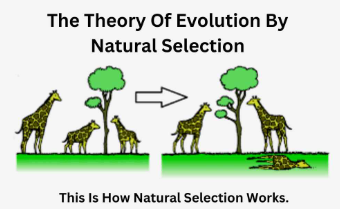
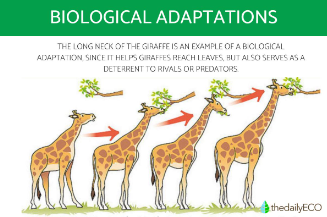
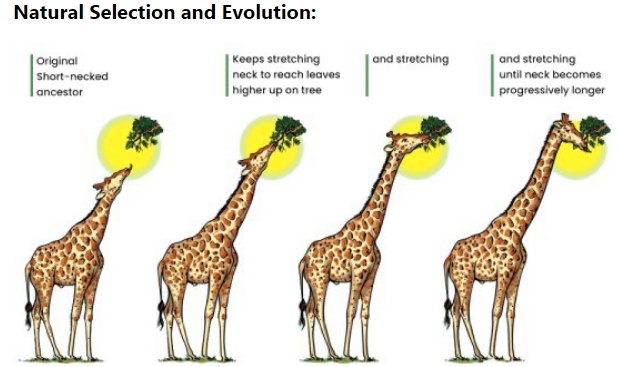
Natural selection is a key mechanism of evolution, where organisms better adapted to their environment tend to survive and reproduce more successfully than others. Over generations, this leads to the gradual accumulation of advantageous traits in a population, shaping the species to better fit its environment. This process drives the diversity of life on Earth, as species evolve new characteristics to survive in changing conditions. Ultimately, natural selection explains how species change over time and how new species can arise, while less adapted species may decline or become extinct

Humans have a profound impact on the environment through their biological interactions. As a species, we rely on natural resources for survival, such as air, water, and food, which are products of intricate ecosystems. However, human activities like deforestation, pollution, and urbanization disrupt these ecosystems, leading to biodiversity loss and climate change. Environmental biology studies these interactions, emphasizing the need for sustainable practices to maintain ecological balance and ensure the long-term health of both humans and the planet. Understanding our role in the environment is crucial for creating a sustainable future

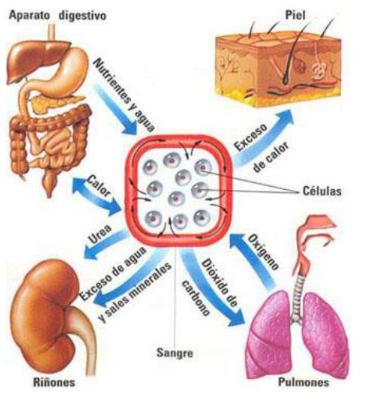
Homeostasis is the process by which organisms maintain a stable internal environment despite external changes. This regulation is vital for the proper functioning of cells and overall health. Key aspects of homeostasis include maintaining constant body temperature, pH levels, and glucose concentration. Excretion is the removal of metabolic waste products from the body, playing a crucial role in homeostasis. Organs such as the kidneys, liver, and lungs help eliminate waste like urea, carbon dioxide, and toxins, ensuring the internal environment remains balanced and conducive to life processes.
 

Genetic modification, also known as genetic engineering, is a process in biology where the DNA of an organism is altered to achieve desired traits. This involves inserting, deleting, or modifying genes within the organism's genome. Techniques such as CRISPR-Cas9 allow precise edits, enabling scientists to enhance crop resistance to pests, improve nutritional content, or create medical therapies. Genetic modification holds significant potential in agriculture, medicine, and research, offering solutions to complex problems like disease resistance and food security, but it also raises ethical and environmental considerations

Genes are the basic units of heredity, made up of DNA, which carry the instructions for the development, functioning, and traits of living organisms. They are passed from parents to offspring through reproduction, ensuring that traits such as eye color, height, or even susceptibility to certain diseases are inherited. Each individual inherits a unique combination of genes from their parents, which determines their physical characteristics and can influence behavior and health. This process of inheritance is fundamental to the diversity and continuity of life across generations.
 

Food and digestion are essential topics in biology, focusing on how organisms obtain and process nutrients to sustain life. Digestion begins in the mouth, where food is broken down mechanically by chewing and chemically by saliva. It then moves through the esophagus to the stomach, where gastric juices further break it down into a semi-liquid form. Nutrient absorption occurs primarily in the small intestine, where enzymes and bile aid in breaking down carbohydrates, proteins, and fats. The nutrients are then absorbed into the bloodstream, while waste products continue to the large intestine for excretion. This process ensures that the body receives the necessary nutrients for energy, growth, and repair

Ecology and environment are key areas of study that explore the interactions between organisms and their surroundings. Ecology focuses on how living beings, from plants to animals, interact with each other and their non-living environment, forming complex ecosystems. The environment includes all external factors, both biotic (like other organisms) and abiotic (such as climate and soil), that influence these interactions. Studying these relationships helps us understand the flow of energy through ecosystems, population dynamics, and the impact of human activities on natural habitats, highlighting the importance of conservation and sustainable practices to protect our planet.

coordination refers to the complex interactions and communication among different parts of an organism to maintain homeostasis and perform essential functions. This process involves the nervous and endocrine systems, which work together to regulate activities such as growth, metabolism, and response to environmental stimuli. For instance, the nervous system transmits rapid electrical signals to trigger muscle contractions or glandular secretions, while the endocrine system releases hormones into the bloodstream to orchestrate longer-term changes in the body. Effective coordination ensures that all bodily systems operate in harmony, allowing the organism to adapt to changes and maintain overall health and balance

Chromosomes are thread-like structures made of DNA and proteins found in the nucleus of cells. They carry genetic information in the form of genes, which are specific sequences of DNA that code for proteins and determine an organism's traits. During cell division, chromosomes ensure that genetic information is accurately copied and distributed to new cells. In mitosis, a type of cell division for growth and repair, each daughter cell receives an identical set of chromosomes. In meiosis, which produces gametes for sexual reproduction, the chromosome number is halved, resulting in genetic diversity among offspring. This complex process is fundamental to heredity, evolution, and the continuity of life

Chemical coordination in plants involves the regulation of growth, development, and responses to environmental stimuli through the action of plant hormones. These hormones, such as auxins, gibberellins, cytokinins, ethylene, and abscisic acid, act as chemical messengers that are produced in one part of the plant and influence physiological processes in other parts. For example, auxins promote cell elongation and are key in directional growth responses, while gibberellins stimulate stem elongation and seed germination. Through a complex network of these hormones, plants are able to adapt to changing conditions, regulate their growth, and maintain homeostasis
 

Chemical coordination  involves the regulation of physiological processes through the secretion of hormones. These chemical messengers are produced by endocrine glands and released into the bloodstream, where they travel to target organs or tissues. Hormones regulate various bodily functions, such as growth, metabolism, and reproduction, by binding to specific receptors on target cells. This interaction triggers specific cellular responses, allowing the body to maintain homeostasis and adapt to changes in the environment. Unlike nerve impulses, hormonal signals generally act more slowly but have longer-lasting effects.

Breathing is a vital process that enables gas exchange, which is essential for cellular respiration and overall bodily function. When we inhale, oxygen-rich air enters the lungs, where it diffuses into the bloodstream through tiny air sacs called alveoli. Simultaneously, carbon dioxide, a waste product of metabolism, diffuses from the blood into the alveoli to be expelled during exhalation. This exchange of gases—oxygen in and carbon dioxide out—is crucial for maintaining the body's pH balance and ensuring that organs and tissues receive the oxygen they need to function properly.
 

Blood and circulation form the body's transport system, crucial for delivering oxygen and nutrients to cells and removing waste products. The heart, a powerful muscular pump, propels blood through a network of blood vessels. Arteries carry oxygen-rich blood from the heart to tissues, while veins return oxygen-depleted blood back to the heart. Capillaries, tiny blood vessels, facilitate the exchange of oxygen, nutrients, and wastes between blood and tissues. Blood, composed of red blood cells, white blood cells, platelets, and plasma, plays vital roles in transporting substances, regulating body temperature, and protecting against infections. This system is essential for sustaining life and maintaining overall health

This course explores how adaptations help organisms survive, the roles of interdependence and competition in ecosystems, and the organization of ecosystems. 

It also covers biodiversity, its importance for ecosystem health, and the impact of pollution on living organisms and their environments, emphasizing the need for conservation and sustainable practices

This course covers the history of genetics and key theories of evolution, including Darwin's ideas and Alfred Russel Wallace's contributions. It explores speciation, evidence of evolution such as fossils and extinction and the development of antibiotic resistant bacteria. 

Additionally, the course delves into classification systems and their significance in understanding biological diversity and evolutionary relationships

This course covers the causes of genetic variation, mechanisms of evolution through natural selection, the process of speciation and evidence for evolution from fossils and other sources. 

This course also addresses the impact of human activities on genetic diversity and species survival

This course covers various reproduction types, meiosis, DNA and the genome, protein synthesis, gene expression and mutations. 

It also includes inheritance patterns, genetic disorders and genetic diseases providing a comprehensive understanding of how genetic information is passed on and its impact on health and development

This course explores homeostasis, the body's ability to maintain stable internal environment.

Students will learn how temperature and water balance are regulated through mechanisms like sweating, shivering and kidney function ensuring optimal conditions for cellular activities and overall health

This course covers the endocrine system, focusing on hormone roles in regulating blood glucose, metabolism, stress response and reproduction. It includes the menstrual cycle, contraception, fertility treatments and homeostasis through negative feedback mechanisms

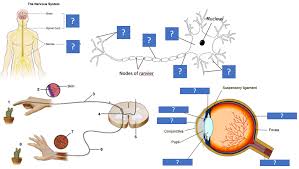
This course explorers how the body detects and respond to stimuli. Key topics include the structure and function of neurons, the central and peripheral nervous systems, reflex actions, synapses and the role of the brain. 

This course also covers coordination and control, including how nervous signals are transmitted and processed. 

This course covers how cells release energy from glucose through aerobic respiration and anaerobic processes. 

The key topics include aerobic respiration, response to exercise, anaerobic respiration, metabolism and liver. This course also explores importance of respiration in living organisms

Photosynthesis is the process by which green plants and algae converts light energy into chemical energy, producing glucose and oxygen from carbon dioxide and water. 

The key topics of this chapter include the process of photosynthesis, leaf adaptations, factors limiting the rate of photosynthesis and how plants use glucose. 

This course covers the conditions not spread between individuals, such as cancer, diabetes and cardiovascular diseases. It explores the risk factors, lifestyle impacts and the importance of early detection and treatment. 

This course also emphasizes the societal and economic effects of these diseases. 

This course covers the role of vaccines, antibiotics and antivirals in diseases prevention and treatment. It includes the development of drugs, antibiotic resistance and the importance of hygiene. The course emphasizes the immune system's role in fighting infections and maintain health.

Pathogens loom as infection and response represent a balance of the same against the immune system, with communicable diseases a complex challenge to the public health sector across the globe.

When it comes to viruses, bacteria, fungi, and protists, understanding how these pathogens are transmitted, hosted by the body, and how they move through their developmental stages, is crucial for the development of strategies that prevent them, diagnosis, and treatment.Careful examination and research into the details of bacteria and human relationships sheds light on the diversity of infectious diseases and the need for powerful public health programs to minimize the dangers of diseases for the world.

Lets learn more about the world of pathogens!

Explore how cells, tissues and organs from complex systems in plants and animals, mastering the intricate processes that keep organisms thriving and functional in the ''Organization in Plants and Animals'' topic

Embark on an exciting journey into the fascinating world of cells with our comprehensive online tutoring platform! Delve deep into the microscopic realm and explore the intricate structures and functions of cells, from observing their remarkable diversity to understanding the dynamics of plant and animal cells.

Our expert tutors provide personalized guidance as you navigate through the complexities of specialized cells and uncover the mechanisms behind the movement of substances within living organisms. Whether you are grappling with the intricacies of unicellular life or seeking to master the nuances of cell biology, our tutors are here to support you every step of the way.

With interactive lessons, tailored study plans, and real-time feedback, we are committed to empowering students to excel in their understanding of cellular biology. Invest in your academic success today by partnering with a tutor from our website. Let us unlock the mysteries of the cell together!" 

 Welcome to the world of Organ systems! From biology to corporate management, knowing the fundamentals of organization is essential in many professions. These tenets provide structure to organized systems by directing how components of an organization are arranged, coordinated, and operate.

Whether studying cellular biological systems or dissecting intricate social structures, an understanding of these concepts helps to explain how efficiency and order are attained. 

Every sexually reproducing organism, including humans, starts as a fertilized egg, or zygote. After that, in a regulated manner, trillions of cell divisions take place to create a sophisticated multicellular human. Stated differently, every other cell in the body descended from that original single cell. Even after an organism reaches adulthood, tissue regeneration or repair still requires cell proliferation.

For instance, fresh skin and blood cells are created continuously. Cell division is a process used by all multicellular animals for tissue and cell growth, maintenance, and repair. Cell division is strictly controlled, and when regulation breaks occasionally, it can have fatal results. Cell division is the reproduction mechanism used by unicells. 

Welcome to the world of cells 

Cells are the basic unit of living organisms. In this course we will learn about the basic structure of a eukaryotic and prokaryotic cell and the functions of each part

We will also learn about specialised cells and its function in plants and animals

In this module, you'll explore the fascinating world of cells—the basic building blocks of all living organisms. You will learn about the different types of cells, their structures, and how they function to support life. Additionally, we will delve into how cells are organized into tissues, organs, and systems that work together to maintain the health and functionality of an organism.

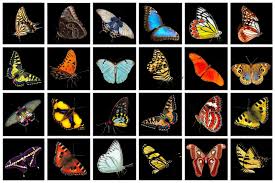
Variation and natural selection are fundamental concepts in the theory of evolution. Variation refers to the differences in traits among individuals within a population, which arise from mutations, genetic recombination, and other factors. These differences can affect an organism's ability to survive and reproduce in its environment. Natural selection is the process by which certain traits become more common in a population because they provide some advantage in terms of survival or reproduction. Over time, this process can lead to adaptation, where populations become better suited to their environments, and potentially give rise to new species .

Transport in plants involves the movement of water, minerals, and nutrients throughout the plant, essential for growth and survival. This process occurs primarily through two specialized tissues: xylem and phloem. The xylem transports water and dissolved minerals from the roots to the leaves, driven by processes like root pressure, capillary action, and transpiration pull. The phloem, on the other hand, distributes sugars and other organic compounds produced during photosynthesis from the leaves to other parts of the plant, a process known as translocation. This efficient transport system enables plants to nourish themselves and respond to environmental changes.

Respiration is a biochemical process where organisms break down glucose and oxygen to produce energy, carbon dioxide, and water. This energy is crucial for all cellular activities. Gas exchange, a vital part of respiration, involves the movement of oxygen into the body and the release of carbon dioxide out of it. In humans and many animals, this exchange happens in the lungs, where oxygen is absorbed into the bloodstream and carbon dioxide is expelled. In plants, gas exchange occurs through stomata in leaves, facilitating the intake of carbon dioxide for photosynthesis and the release of oxygen. These processes are essential for energy production and maintaining a stable internal environment .

Plant reproduction can occur through sexual or asexual means. In sexual reproduction, plants produce seeds through the fusion of male and female gametes, often facilitated by flowers. This process involves pollination, where pollen from the male part of a flower (anther) reaches the female part (stigma), leading to fertilization and seed development. Asexual reproduction, on the other hand, involves the creation of new plants from vegetative parts such as stems, roots, or leaves, without the involvement of seeds. This can occur naturally, as in runners of strawberry plants, or through human intervention, such as cuttings or grafting. Both methods enable plants to propagate and adapt to their environments.

Reproduction in biology refers to the process by which organisms produce offspring, ensuring the continuation of their species. It can occur through two primary mechanisms: asexual and sexual reproduction. In asexual reproduction, a single organism gives rise to genetically identical offspring, common in many plants, fungi, and microorganisms. In contrast, sexual reproduction involves the combination of genetic material from two parents, resulting in offspring with genetic variation. This diversity is crucial for the adaptation and evolution of species in changing environments. Reproduction is a fundamental characteristic of life, driving the perpetuation and diversity of living organisms .

Pathogens are harmful microorganisms, such as bacteria, viruses, fungi, and parasites, that can cause diseases in humans and other organisms. The immune system is the body's defense mechanism against these invaders. It consists of a network of cells, tissues, and organs that work together to recognize and eliminate pathogens. The immune response includes innate immunity, which provides a general defense against pathogens, and adaptive immunity, which targets specific invaders with precision. When a pathogen enters the body, the immune system detects its presence, activates immune cells, and produces antibodies to neutralize or destroy the threat. This complex interplay between pathogens and the immune system is vital for protecting the body from infections and maintaining overall health.

Plant nutrition involves the uptake and utilization of essential nutrients needed for a plant's growth, development, and maintenance. Plants produce their own food through photosynthesis, using sunlight, carbon dioxide, and water to create glucose and oxygen. Besides these basic elements, plants also require various minerals from the soil, such as nitrogen, phosphorus, and potassium, which play crucial roles in processes like energy transfer, DNA synthesis, and overall growth. These nutrients are absorbed by the roots and transported throughout the plant. Adequate nutrition is essential for healthy plant growth, flowering, and fruiting, and it influences the plant's ability to withstand diseases and environmental stresses .

Organisms and their environment are intricately linked, with each influencing the other in various ways. Organisms adapt to their environment to meet their needs for survival, such as seeking food, water, and suitable habitat. In turn, they impact their environment through processes like nutrient cycling, predation, and competition. These interactions create complex ecosystems where the balance between different species and their surroundings is crucial for maintaining ecological stability. Understanding these relationships helps us grasp how environmental changes, both natural and human-induced, can affect the health and sustainability of ecosystems .

Transport in cells is a fundamental process that ensures the movement of substances necessary for cellular function. This includes the transport of ions, nutrients, and waste products across the cell membrane. Cells utilize various mechanisms to facilitate this process, such as passive transport, which relies on diffusion and osmosis to move substances along their concentration gradients, and active transport, which uses energy to move molecules against their gradients. Additionally, cells use vesicular transport, including endocytosis and exocytosis, to move large molecules and particles. Efficient transport systems are crucial for maintaining homeostasis and supporting cellular activities .

Inheritance in biology refers to the process by which genetic traits are passed from parents to offspring through genes. These genes, located on chromosomes, carry information that determines characteristics such as eye color, height, and susceptibility to certain diseases. Inheritance patterns follow specific rules, such as those described by Mendelian genetics, where dominant and recessive traits influence the traits observed in offspring. Understanding inheritance is key to studying genetic diversity, evolutionary processes, and the role of genetics in health and disease .

The relationship between humans and the environment involves studying how human activities impact ecosystems and natural resources. This includes examining the effects of pollution, habitat destruction, and climate change on biodiversity and ecosystem health. Additionally, it covers efforts to mitigate these impacts through conservation, sustainable practices, and environmental management. Understanding this relationship is crucial for developing strategies to protect natural resources and ensure a balanced, healthy environment for future generations .

Homeostasis is the process by which living organisms maintain stable internal conditions despite external changes. It involves the regulation of various factors such as temperature, pH, and fluid balance to ensure optimal functioning of cells and systems. For example, humans regulate body temperature through mechanisms like sweating and shivering. Homeostasis is crucial for health and survival, as it allows organisms to adapt to varying environmental conditions and maintain a stable internal environment conducive to life .

The excretory system is responsible for removing waste products and maintaining the body's internal environment. It includes organs such as the kidneys, liver, lungs, and skin. The kidneys play a crucial role by filtering blood to remove waste products like urea, as well as excess salts and water, forming urine. The liver helps detoxify harmful substances, while the lungs expel carbon dioxide. The skin eliminates waste through sweat. This system is essential for regulating the body's chemical balance, preventing the buildup of toxins, and ensuring proper hydration and electrolyte levels.

Enzymes are specialized proteins that act as catalysts in biological reactions, speeding up chemical processes without being consumed in the reaction. They work by lowering the activation energy required for reactions, allowing them to proceed more quickly and efficiently. Each enzyme is specific to a particular substrate, fitting together like a lock and key to form an enzyme-substrate complex. This specificity ensures that enzymes regulate various metabolic pathways in organisms with precision. Factors such as temperature, pH, and substrate concentration can affect enzyme activity, making them critical to maintaining proper cellular function and overall homeostasis .

Drugs are substances that can alter physiological processes in the body. They can be used therapeutically to treat diseases, relieve symptoms, or prevent health issues. Drugs interact with the body's systems by binding to specific receptors or enzymes, influencing the function of cells and tissues. While beneficial in many cases, drugs can also have side effects and lead to dependency or tolerance if misused. The study of how drugs work, known as pharmacology, is essential for developing new medications and understanding their impact on biological systems .

Living organisms on Earth exhibit a remarkable variety, ranging from microscopic bacteria to massive trees and complex animals. This diversity, known as biodiversity, includes different species, each adapted to their unique environments. Organisms can be classified into groups like plants, animals, fungi, bacteria, and protists, each with distinct characteristics. For example, plants perform photosynthesis, animals rely on other organisms for food, and fungi decompose organic matter. This variety of life forms plays a crucial role in maintaining ecosystems, as each organism contributes to the balance and health of the environment in which they live. .

The classification of organisms is the systematic grouping of living things based on their shared characteristics and evolutionary relationships. This scientific practice, known as taxonomy, organizes species into hierarchical categories such as domain, kingdom, phylum, class, order, family, genus, and species. By categorizing organisms, scientists can better understand the diversity of life, trace the evolutionary history of different species, and make predictions about organisms based on their groupings. This classification system helps in identifying and naming species, studying their relationships, and understanding the complex web of life on Earth.

Biomolecules are organic molecules that are essential to the structure and function of living organisms. They include carbohydrates, lipids, proteins, and nucleic acids. Each type of biomolecule plays a crucial role in biological processes: carbohydrates provide energy and structural support, lipids store energy and form cell membranes, proteins perform a wide range of functions including catalyzing reactions and providing cellular structure, and nucleic acids store and transmit genetic information. These molecules are the building blocks of life, forming the basis for the complex biochemical processes that occur within all living organisms.

A cell is the basic structural and functional unit of all living organisms. It is often referred to as the building block of life because it carries out essential processes that sustain life, such as energy production, waste removal, and reproduction. Cells can be broadly categorized into two types: prokaryotic, which lack a nucleus and are typically found in bacteria, and eukaryotic, which have a nucleus and are present in animals, plants, fungi, and protists. Within cells, specialized structures called organelles perform specific functions, such as the mitochondria generating energy and the nucleus containing genetic material. Cells are capable of growing, responding to stimuli, and replicating, making them fundamental to all life forms.

Biotechnology is a field that merges biology and technology to harness cellular and biomolecular processes for developing products and technologies that improve our lives and the health of our planet. It encompasses a wide range of applications, including medical advancements like gene therapy and personalized medicine, agricultural innovations like genetically modified crops, and industrial processes such as biofuel production and biodegradable materials. By manipulating living organisms or their components, biotechnology offers powerful tools for addressing some of the most pressing challenges in health, agriculture, and environmental sustainability.

animal nutrition refers to the process by which animals obtain and utilize food to support their growth, maintenance, and overall health. This involves the intake of various nutrients, including carbohydrates, proteins, fats, vitamins, and minerals, which are essential for different bodily functions. Carbohydrates provide energy, proteins are crucial for growth and repair of tissues, fats supply long-term energy and are involved in cell membrane formation, while vitamins and minerals support various biochemical processes and help maintain the body's structure. The digestive system plays a key role in breaking down food into smaller, absorbable components. This system includes organs such as the mouth, esophagus, stomach, intestines, and accessory organs like the liver and pancreas. Enzymes aid in the chemical digestion of nutrients, making them available for absorption into the bloodstream. Understanding animal nutrition is vital for ensuring proper diet and health in animals, whether in the context of pets, livestock, or wildlife.
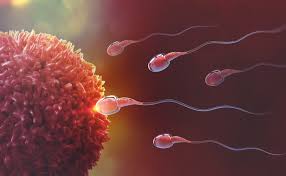
Plants, the primary producers in terrestrial ecosystems, exhibit a remarkable array of structures and functions that enable them to thrive in diverse environments. Understanding the intricate relationship between plant structure and function is essential for unraveling the mysteries of plant biology and appreciating their vital role in sustaining life on Earth. This introduction explores key aspects of plant structure and its functions, including photosynthesis, plant structure, transport in plants, and the role of plant hormones.

Natural selection, proposed by Charles Darwin, is a fundamental mechanism driving evolutionary change. It acts on heritable variation within populations, favoring traits that confer a reproductive advantage in each environment. Over time, natural selection leads to the accumulation of adaptive traits, resulting in the evolution of populations and species. Genetic variation, arising from mutations, genetic recombination, and gene flow, provides the raw material for natural selection to act upon. Evolutionary processes shape the diversity of life forms on Earth, from the microevolutionary changes observed within populations to the macroevolutionary patterns seen over geological time scales.

Health, disease, and the practice of medicine are intricately intertwined aspects of human existence, shaping individual well-being and societal progress. The study and application of medical science encompasses a broad spectrum of disciplines aimed at understanding, preventing, diagnosing, and treating diseases while promoting overall health and development.

Exchange and transport in animals are a fundamental process that allows for the efficient movement of substances, such as gases, nutrients, and waste products, throughout an animal's body. This intricate system involves various mechanisms, including transport in animals, respiration, gas exchange, and the circulatory system.

animal coordination

Animal coordination and control is a fascinating field of study that explores how animals regulate and coordinate their bodily functions to maintain balance and respond to their environment. This intricate system involves various mechanisms, including the secretion of hormones and the maintenance of homeostasis.

One crucial aspect of animal coordination and control is the role of hormones. Hormones are chemical messengers produced by specialized cells or glands in an animal's body. They are released into the bloodstream and travel to target cells or organs, where they exert their effects. Hormones play a vital role in regulating a wide range of physiological processes, including growth, metabolism, reproduction, and behavior. They act as signals that coordinate and control the activities of different body systems, ensuring proper functioning and adaptation to changing conditions. 

Ecosystems are dynamic and interconnected systems where living organisms interact with each other and their environment. Central to ecosystem function is the cycling of materials and the organization of energy flows, which sustain life within these complex networks. This introduction will provide a brief overview of key concepts such as material cycling, organizing the environment, feeding relationships, and human influences on ecosystems, particularly in the context of food production.

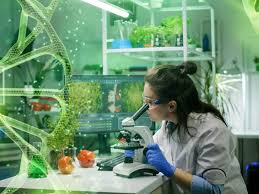
We will embark on a journey to understand the fundamentals of microscopy, exploring the types of microscopes, their components, and the techniques used to enhance magnification and resolution. By the end of our lesson, you will not only grasp the importance of microscopes in biological sciences but also appreciate their role in shaping our understanding of the natural world. let's prepare to zoom in on the tiny wonders that await our exploration under the lens of the microscope!

Genetics, the study of genes and heredity, lies at the heart of understanding the diversity and unity of life on Earth. It encompasses a range of interconnected topics, including reproduction, inheritance, natural selection and evolution, and genetic modification, each playing a vital role in shaping the characteristics of organisms and populations.

In the intricate web of life, cells serve as the building blocks and control centers that orchestrate the functions of organisms. The concept of Cells and Control encompasses various processes fundamental to life, including cell division, growth in organisms, the role of stem cells, and the coordination and response mechanisms that govern cellular activities.

This course explores microscopes for observing cell structures, specialized cells for specific functions, and enzymes as biological catalysts. 

It also includes food tests to identify nutrients, and key transport mechanisms like diffusion, osmosis and active transport, which are crucial for maintaining cellular functions and nutrient exchange. 

Biological systems maintain a steady internal state through complex control mechanisms. Homeostasis is the key concept, where organisms regulate variables like temperature, pH, and glucose levels. Negative feedback loops are crucial, detecting deviations from the set point and initiating corrective actions. These systems ensure optimal functioning, allowing organisms to adapt to changing environments and maintain overall health.

Genetic variation is the diversity of genes within a population. It's the raw material for evolution, allowing species to adapt and survive. Mutations, changes in DNA sequence, are the primary source of new genetic variations. Sexual reproduction, with its shuffling of genes, further increases variation. Genetic drift, random changes in allele frequencies, and gene flow, the movement of genes between populations, also contribute to genetic diversity. This variation is essential for the survival and evolution of species.

Microbiology is the study of microscopic organisms. Pathogens are disease-causing microbes like bacteria, viruses, fungi, and protozoa. They invade our bodies and cause infections. Understanding pathogens helps us develop treatments and prevent diseases. Microbiology plays a crucial role in medicine, food safety, and environmental health.

Genetics is the study of heredity and variation. It explores how traits are passed from one generation to the next through genes, the units of heredity. DNA, the molecule of life, carries genetic information. Gregor Mendel's laws of inheritance laid the foundation for modern genetics. Today, genetics is revolutionizing fields like medicine, agriculture, and forensics.

Energy is vital for life's processes. Respiration breaks down glucose to release energy. Aerobic respiration uses oxygen for maximum energy, while anaerobic respiration functions without oxygen. Mitochondria are the cellular powerhouses where respiration occurs.

Transport in mammals is essential for delivering nutrients, oxygen, and hormones throughout the body. The circulatory system, consisting of the heart, blood vessels, and blood, plays a crucial role. The heart pumps blood, carrying oxygen and nutrients to cells and removing waste products. Blood vessels, including arteries, veins, and capillaries, form a network that distributes blood throughout the body.

Biological classification is the process of organizing living organisms into groups based on their shared characteristics. This helps in understanding the relationships between different species and their evolutionary history. Biodiversity refers to the variety of life on Earth, including the diversity of species, genes, and ecosystems. It is essential for the health of our planet and the well-being of all living things.

A cell is the basic structural and functional unit of all living organisms. It is often referred to as the building block of life because it carries out essential processes that sustain life, such as energy production, waste removal, and reproduction. Cells can be broadly categorized into two types: prokaryotic, which lack a nucleus and are typically found in bacteria, and eukaryotic, which have a nucleus and are present in animals, plants, fungi, and protists. Within cells, specialized structures called organelles perform specific functions, such as the mitochondria generating energy and the nucleus containing genetic material. Cells are capable of growing, responding to stimuli, and replicating, making them fundamental to all life forms.

Biomolecules are the building blocks of life. They are essential for all living organisms. Understanding biomolecules can help you unlock the mysteries of the human body and develop new treatments for diseases. It's a fascinating field that can lead to exciting careers in science, medicine, and biotechnology. So, let's dive in and explore the world of biomolecules!

The Marvels of the Nervous System: Let's delve into the intricate workings of the nervous system, the master control center of our bodies. In this unit, we'll explore how our brains and nerves receive information, process it, and respond to the world around us. From simple reflex actions to complex thought processes, the nervous system plays a crucial role in every aspect of our lives.

Let's explore the intricate mechanisms that enable us to move, from the smallest muscle contractions to the coordinated movements that allow us to dance, run, and play sports. In this unit, we'll delve into the fascinating world of muscles, bones, and the nervous system that work together to produce movement. We'll examine the structure and function of muscles, the role of the skeleton in providing support and leverage, and the nervous system's control of movement. We'll also explore the energy requirements for physical activity and the physiological adaptations that occur during exercise

In this unit, we'll explore the fascinating world of immunity, the intricate battle between our bodies and invading pathogens. We'll delve into the mechanisms of infection, the role of the immune system in defense, and the application of forensic science in solving crimes. From understanding the spread of diseases to unraveling the mysteries of crime scenes, this unit offers a captivating glimpse into the intersection of biology and law.

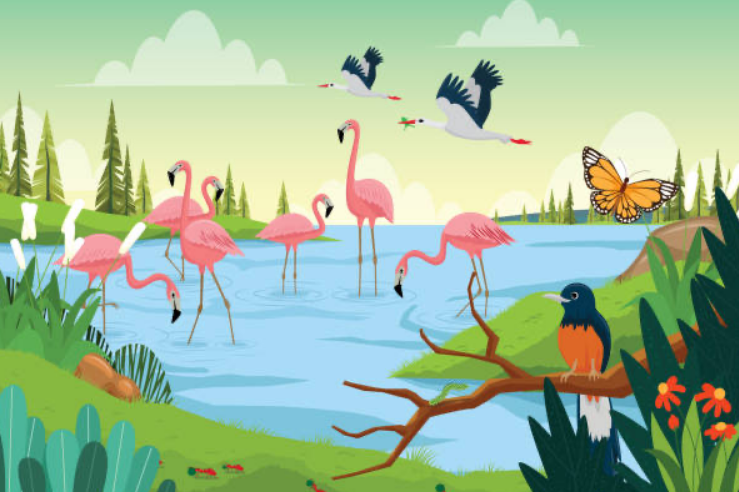
In this unit, we'll explore the concept of ecosystems, the communities of organisms that inhabit them, and the factors that influence their distribution and abundance. We'll delve into the interactions between organisms and their environments, and examine the vital role of biodiversity in maintaining the health of our planet. From the smallest microorganisms to the largest ecosystems, biodiversity provides us with essential resources and supports the delicate balance of life.

Biodiversity, the rich tapestry of life on Earth, is essential for the health of our planet and the well-being of all living things. From the smallest microorganisms to the largest ecosystems, biodiversity provides us with a vast array of resources that are crucial for our survival and prosperity. These resources include food, medicine, clean air, water, and climate regulation. By understanding the importance of biodiversity and protecting it, we can ensure a sustainable future for generations to come

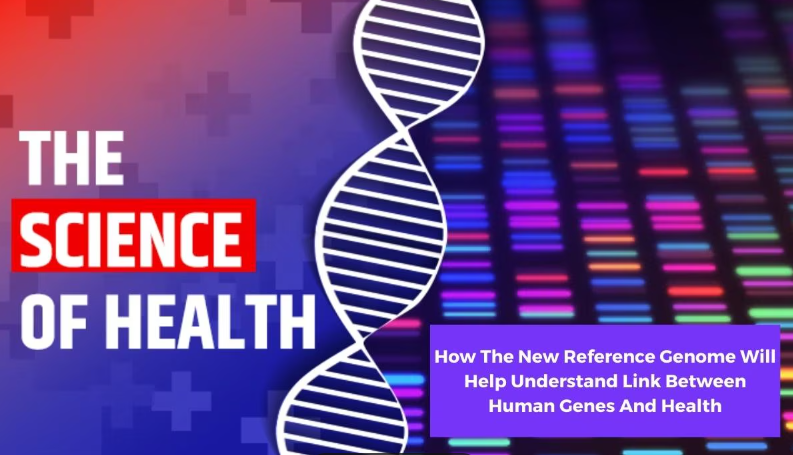
Imagine your DNA as a vast library, each book a chapter in your unique story. This library is the human genome, a complex collection of genetic information that shapes everything from your physical appearance to your susceptibility to diseases. By understanding the language of your DNA, you can unlock the mysteries of your genetic heritage and embark on a journey of self-discovery.

Genes, the blueprints of life, play a pivotal role in determining our health. They influence everything from our physical appearance to our susceptibility to diseases. Understanding the intricate relationship between genes and health is crucial for developing effective preventive measures and treatments. By studying genes, scientists can identify genetic predispositions to certain conditions and develop personalized healthcare plans.

Life is a journey filled with choices that shape our overall well-being. Our lifestyle, including our habits, behaviors, and choices, significantly impacts our health and the risks we face. Understanding the interconnectedness of lifestyle, health, and risk is essential for making informed decisions and leading a fulfilling life. This chapter will explore the key factors that influence our health, the potential risks associated with unhealthy lifestyles, and strategies to promote a healthier and more resilient life.
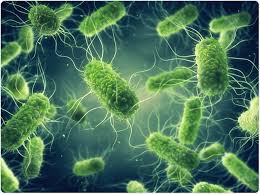
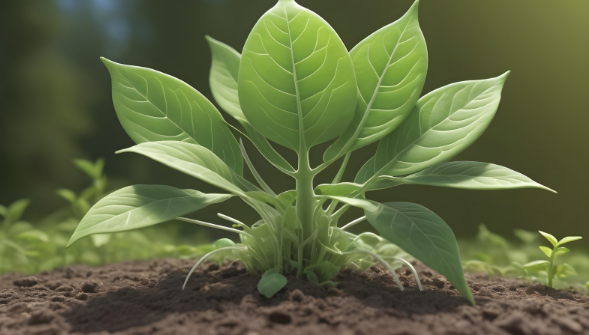
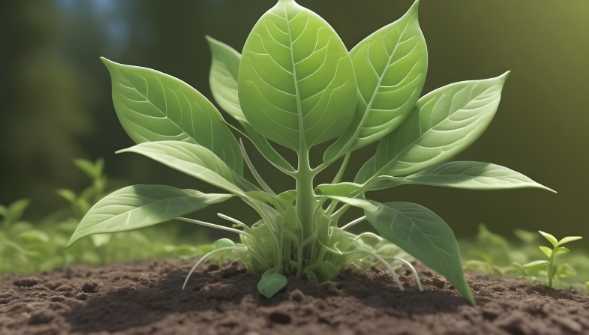
 Plant growthPlants are vital to all life on Earth. They are important because plants take in carbon dioxide from the atmosphere and produce oxygen. In addition, plants make up the base of the food web by producing their own food using light, water, carbon dioxide, and other chemicals.
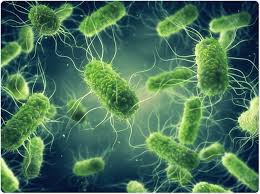
Unicellular organisms are living beings made up of just a single cell, which carries out all the functions necessary for life. These organisms are incredibly diverse and include bacteria, some types of algae, and protozoa like amoebas. Despite their simplicity, unicellular organisms can perform all the essential processes such as growth, reproduction, and responding to their environment.

Parts of the flower

Plant reproduction is the production of new offspring in plants, which can be accomplished by sexual or asexual reproduction. Sexual reproduction produces offspring by the fusion of gametes, resulting in offspring genetically different from either parent. Asexual reproduction produces new individuals without the fusion of gametes, resulting in clonal plants that are genetically identical to the parent plant and each other, unless mutations occur.

Respiration involves breaking down glucose molecules then converted into ATP via aerobic or anaerobic pathways. Aerobic respiration requires oxygen; hence more ATP can be made per glucose molecule than in anaerobic respiratory pathways where no air is present, causing less ATP formation but lactic acid or ethanol production instead. The metabolic processes of the body adapt to exercise by using stored energy reserves and optimizing oxygen uptake and utilization to fulfill increased energy requirements. Metabolism is therefore an encompassing term for all chemical reactions occurring in living organisms that control energy conversion and use thus it is central to life and keeping cell homeostasis. Through bioenergetics understanding, we can investigate the basic mechanisms behind energy flow as well as metabolism in living systems. 

Plant hormones, also known as phytohormones, are signaling molecules that play crucial roles in controlling and coordinating various physiological processes throughout the life cycle of plants. These hormones regulate growth, development, and responses to environmental stimuli, enabling plants to adapt and thrive in diverse ecological conditions. The control and coordination exerted by plant hormones encompasses a wide range of biological processes, including seed germination, root and shoot growth, flowering, fruit development, and stress responses. Each type of plant hormone, such as auxins, cytokinin, gibberellins, abscisic acid, and ethylene, exerts specific effects on plant physiology and development. Additionally, plant hormones find numerous uses in agriculture and horticulture, where they are applied to manipulate plant growth, improve crop yield, and enhance stress tolerance.

Photosynthesis is the primary source of organic matter and oxygen on earth since it transforms light energy into chemical energy by plants, some bacteria as well as algae through this process. Plants use carbon dioxide and water during photosynthesis to convert sunlight into glucose and oxygen. Factors such as light intensity, temperature, and carbon dioxide concentration affect photosynthesis rates, among others. For example, when humans consume fruits, they get glucose produced from plants’ food-making process which serves energy for cellular functions and metabolic reactions in the body.

Living organisms are organized at various levels, each with structure and function. At the cellular level, organisms are composed of specialized structures called cells. These cells work together to form tissues, organs, and organ systems, allowing for efficient organism functioning. Biological molecules, such as proteins, carbohydrates, and nucleic acids, play a crucial role in the structure and function of living organisms. The movement of substances into and out of cells, nutrition, respiration, gas exchange, transport, excretion, and coordination and response are all vital processes that enable organisms to survive and thrive.

Biodiversity encompasses the variety of life forms on Earth, from genes and species to ecosystems. Human activities, such as waste management, land use, deforestation, and global warming, can have significant impacts on biodiversity and ecosystem health. Evolution involves the gradual change in inherited traits over successive generations, driven by processes including natural selection, selective breeding, and genetic engineering. Additionally, cloning techniques allow for the replication of organisms with desired traits, further shaping genetic diversity. Understanding these processes provides insights into the origins and diversification of life forms and their adaptations to changing environments.

Ecology is the study of the relationships between organisms and their environments, encompassing numerous factors that influence the distribution and abundance of species. Adaptation, interdependence, and competition shape ecological communities, where organisms interact with each other and their surroundings. These interactions are influenced by both abiotic factors, such as climate and soil composition, and biotic factors, including predation and competition for resources. Organisms exhibit a range of adaptations to survive and reproduce in their habitats, contributing to ecosystem diversity and stability.

Genetics, the study of genes and heredity, lies at the heart of understanding the diversity and unity of life on Earth. It encompasses a range of interconnected topics, including reproduction, inheritance, natural selection and evolution, and genetic modification, each playing a vital role in shaping the characteristics of organisms and populations.

Biological molecules are the building blocks of life. They include monomers and polymers, such as carbohydrates, lipids, proteins, and nucleic acids. These molecules play crucial roles in carrying information, providing energy, and maintaining the structure and function of cells. We will also delve into DNA replication, ATP (adenosine triphosphate), water, and inorganic ions.

Cells are the basic units of life. We will explore their structure, including the different organelles and their functions. Additionally, we will learn about the concept of cell division, where all cells arise from pre-existing cells. The transport of substances across the cell membrane and the cell's recognition and immune system will also be discussed.

Understanding carboxylic acids is essential for building a strong foundation in organic chemistry. It helps you grasp concepts like functional groups, isomerism, and reaction mechanisms. Carboxylic acids are ubiquitous in biological systems. Amino acids, the building blocks of proteins, contain carboxylic acid groups. Fatty acids, essential components of lipids, are also carboxylic acids.

"Electronics is the branch of physics that deals with the flow of electric current and its applications. We'll explore basic components like resistors, capacitors, and transistors, understand circuits and their functions, and learn about the principles behind electronic devices. This knowledge is essential for understanding the technology that surrounds us. Let's get started!"

"Throughout history, physics has experienced groundbreaking discoveries that have dramatically changed our understanding of the universe. These turning points have led to technological advancements, medical breakthroughs, and a deeper appreciation of the natural world. In this lesson, we'll explore some of the most significant turning points in physics, from classical mechanics to quantum theory and beyond."
"Engineering physics is a blend of physics and engineering principles. It applies physics concepts to solve real-world engineering problems. From designing efficient materials to developing advanced technologies, engineering physics plays a crucial role in driving innovation and progress. In this lesson, we’ll explore key concepts and applications of engineering physics."

"Medical physics is a specialized field that applies physics principles to healthcare. It involves the development and use of medical imaging techniques, radiation therapy, and other diagnostic tools. Medical physicists work closely with doctors and other healthcare professionals to ensure the safe and effective application of these technologies. In this lesson, we'll explore some key concepts and applications of medical physics."

"Astrophysics is the branch of physics that studies the universe beyond Earth. It combines astronomy and physics to explore celestial objects like stars, planets, galaxies, and black holes. Astrophysicists use advanced telescopes and theoretical models to understand the formation, evolution, and composition of the cosmos. In this lesson, we'll delve into some of the fascinating discoveries and mysteries of astrophysics."

"Nuclear physics is the study of the atomic nucleus, composed of protons and neutrons. It explores the forces that hold the nucleus together, as well as the processes that can lead to nuclear reactions. Nuclear physics has applications in fields like energy production, medicine, and materials science. In this lesson, we'll delve into the fundamental concepts of nuclear physics and explore its significance."

"Fields are physical quantities that exist throughout space and influence the behavior of objects within them. There are two main types of fields: gravitational fields and electromagnetic fields. These fields are responsible for a wide range of phenomena, from the motion of planets to the transmission of light. In this lesson, we'll explore the properties of fields and their far-reaching consequences."

"Further Mechanics and Thermal Physics delve deeper into the principles of motion, forces, heat, and temperature. Key topics include work, energy, momentum, circular motion, temperature, heat transfer, and the ideal gas law." 

" Electricity is the flow of electric charge. We'll explore basic concepts like current, voltage, and resistance. We'll also discuss circuits and their components, as well as the applications of electricity in our daily lives. By the end, you'll have a solid understanding of the fundamentals of electricity."

"Mechanics and materials are two interconnected fields that study the behavior of objects and materials under different conditions. Mechanics explores the forces and motion of objects, while materials science focuses on the properties and behavior of materials. In this lesson, we'll explore the fundamental principles of mechanics and materials, and how they are applied in various engineering and scientific fields."

"Waves are disturbances that transfer energy from one place to another without the transfer of matter. We'll explore different types of waves, such as mechanical and electromagnetic waves. We'll also discuss wave properties like amplitude, frequency, and wavelength, and understand how waves interact with each other. By the end, you'll have a solid grasp of the fundamental concepts of waves."

"Particles are the tiny building blocks of matter. We'll explore different types of particles, such as atoms and molecules. We'll also discuss how particles interact with each other to form materials with various properties. By the end, you'll have a better understanding of the structure and composition of matter."

"Measurements are essential for scientific inquiry and engineering applications. However, no measurement is perfectly accurate. We'll discuss different types of errors, such as systematic and random errors, and explore techniques for minimizing their impact. By the end, you'll understand the importance of accurate measurements and how to evaluate their reliability."

Unveiling the mysteries of the cosmos, physics, astrophysics, and cosmology dance in harmony, unraveling the secrets of our universe. Physics explores the fundamental laws governing matter and energy, from the tiniest particles to the vastness of space. Astrophysics delves into celestial phenomena, from mesmerizing black holes to dazzling supernovae, illuminating the workings of stars and galaxies. Cosmology ventures further, probing the origins and evolution of the cosmos itself, from the Big Bang to cosmic expansion. Together, they paint a breathtaking tapestry of knowledge, inviting us to ponder our place in the grand cosmic symphony and inspire boundless curiosity

Medical physics blends physics principles with healthcare, revolutionizing diagnosis, treatment, and patient care. In radiology, it optimizes imaging techniques like MRI and CT scans for clearer diagnoses. Radiation therapy employs precise doses to target tumors, sparing healthy tissue. Nuclear medicine uses radioactive tracers to diagnose diseases early. Dosimetry ensures safe radiation levels for patients and healthcare workers. Innovations like proton therapy offer highly targeted cancer treatment, minimizing side effects. Medical physicists pioneer advancements in technology, enhancing healthcare outcomes and saving lives through the power of physics.

Nuclear physics delves into the heart of matter, unraveling the mysteries of atomic nuclei. At its core, it explores the fundamental forces that bind protons and neutrons, unleashing tremendous energy. From the atomic bombs of World War II to the awe-inspiring power of nuclear reactors, its applications have shaped history. Yet, its reach extends beyond destruction; nuclear fusion offers the promise of clean, limitless energy, while radioisotopes find use in medicine and industry. With ongoing research pushing boundaries, nuclear physics stands at the forefront of both peril and promise, shaping our understanding of the universe and our place within it.

Quantum physics unravels the enigmatic fabric of reality, where particles defy classical rules and dance to the beat of uncertainty. It is a world where tiny entities play a cosmic game of hide and seek, existing in multiple states simultaneously until observed. Quantum entanglement links particles across vast distances, echoing Einstein's skepticism yet confirming spooky action at a distance. With quantum computing, the realm of possibilities expands exponentially, promising solutions to problems deemed insurmountable. From Schrödinger's cat to the uncertainty principle, quantum physics challenges our intuition and beckons us to explore the universe at its most fundamental level, where paradoxes thrive and understanding evolves.

Alternating currents (AC) revolutionized electricity. Unlike direct currents, AC periodically changes direction, essential for long-distance transmission. Nikola Tesla's pioneering work made AC practical, sparking the War of Currents with Thomas Edison's DC. AC's versatility powers our modern world, from homes to industries. It enables efficient transformers, allowing voltage adjustment for transmission and distribution. AC motors drive machinery, propelling industrialization. Its role in power generation and distribution ensures electricity reaches billions worldwide. AC's dynamic nature fuels innovation, driving technological progress. Its impact is undeniable, illuminating our cities, powering our devices, and shaping our interconnected world.

Enter the mesmerizing realm of magnetic fields where invisible forces shape our world. Like unseen guardians, they guide compass needles, power our technology, and dance in the cosmos. From the Earth's protective shield to the breathtaking auroras, magnetic fields weave tales of wonder. They spark innovation in MRI machines, propel trains with maglev technology, and even hold the key to unlocking clean energy through fusion. Explore the mysteries of polarity, attraction, and repulsion that electrify our imagination. With every twist and turn, magnetic fields unveil the beauty of science, pulling us deeper into a captivating journey of discovery.

Capacitance: the silent powerhouse of electronics. It is the unsung hero, storing energy and unleashing it with lightning speed. Imagine it as a reservoir for electrons, ready to surge into action at a moment's notice. From smoothing out power supplies to storing data in memory chips, capacitance is everywhere. It is the force behind touchscreens, tuning radios, and powering up your smartphone in a flash. This phenomenon dances between electric fields, shaping our modern world with its invisible might. So next time you marvel at technology's speed and efficiency, remember the quiet force of capacitance, silently powering our electric dreams.

Electric fields, the invisible forces shaping our world, are the architects of modern marvels. They are the silent conductors orchestrating the dance of electrons, powering our devices, and lighting up cities. From the crackle of lightning in a stormy sky to the gentle hum of a charged wire, electric fields surround us, sparking innovation and igniting imagination. They are the backbone of technology, propelling us into the future with electric vehicles and renewable energy solutions. Understanding their pull and push opens doors to limitless possibilities, promising a brighter, electrifying tomorrow where the boundaries of what is possible are continuously redefined.
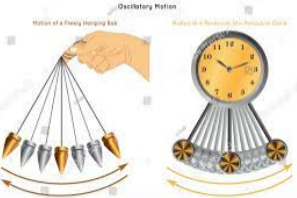
Embark on a rhythmic journey into the captivating world of oscillations! Picture a pendulum's graceful sway or a guitar string's vibrant vibration. Oscillations are nature's heartbeat, from the flutter of a butterfly's wings to the pulsating rhythm of a heartbeat. They dance coordinated with the cosmos, orchestrating the ebb and flow of energy. Dive into the mesmerizing symphony of oscillations, where patterns emerge like intricate melodies, weaving tales of harmony and resonance. Explore the thrill of oscillatory motion, where every wave is a brushstroke painting the canvas of existence with vitality and vigor. Welcome to the mesmerizing realm of oscillations!

Thermodynamics, the unseen force driving our universe, unravels the mysteries of energy transfer and transformation. From the dance of atoms to the vast cosmos, it governs all. Imagine the thrill of engines roaring to life, rockets defying gravity, or glaciers sculpting landscapes—a testament to its power. It is the reason your coffee cools, stars burn, and ice melts. Whether in the fiery heart of an engine or the icy grip of space, thermodynamics orchestrates the symphony of existence. It is the science of energy, where chaos meets order, and every change tells a story of equilibrium and entropy.

Ideal gases, the ethereal wanderers of the molecular realm, dance to the rhythm of absolute freedom. Unbound by intermolecular forces, they roam tirelessly, filling every corner of their container with unyielding enthusiasm. Behold their simplicity: obeying Boyle's Law with grace, expanding and contracting at the whim of temperature, and indulging in the elegant equations of the Ideal Gas Law. From the depths of laboratories to the expanse of the cosmos, these gaseous nomads epitomize scientific elegance, fueling our understanding of thermodynamics and challenging the boundaries of theoretical physics with their boundless energy and unfettered movement.

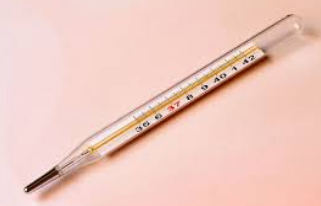
In the dance of nature, temperature reigns supreme, wielding its power over every facet of existence. From the icy grip of winter to the scorching blaze of summer, its fluctuations dictate life's rhythm. It molds landscapes, shapes ecosystems, and fuels the fire of innovation. Yet, temperature is more than a mere environmental force; it is a catalyst for exploration and discovery. Scientists probe its depths to unlock secrets of the cosmos, while adventurers' brave extremes test their limits. In its flux lies the essence of transformation, where every rise and fall sparks a journey of adaptation and evolution.

Gravitational fields, the cosmic architects orchestrating the dance of celestial bodies, wield an invisible force shaping the fabric of our universe. Like cosmic glue, they bind planets to stars and galaxies to clusters, sculpting the grand tapestry of space-time. From the majestic orbits of planets to the cataclysmic collisions of galaxies, gravitational fields dictate the cosmic symphony. Their enigmatic embrace unveils the secrets of black holes, the gravitational behemoths that devour light itself. Understanding these fields unlocks the mysteries of our cosmos, guiding humanity's quest to explore the vast expanse of space and unravel the enigmas of existence.

"Embark on a whirlwind journey through the physics of motion in a circle! Feel the exhilaration as objects defy gravity, tracing perfect arcs in a cosmic dance. From the graceful orbit of planets to the frenetic spin of carnival rides, circular motion captivates with its blend of beauty and complexity. Explore centripetal forces that keep us grounded on spinning Earth and the thrill of a roller coaster's tight turns. With every loop, discover the harmony of inertia and acceleration, a symphony of motion that ignites our imagination and propels us into the thrilling unknown of circular realms."

Embark on a whirlwind journey through the physics of motion in a circle! Feel the exhilaration as objects defy gravity, tracing perfect arcs in a cosmic dance. From the graceful orbit of planets to the frenetic spin of carnival rides, circular motion captivates with its blend of beauty and complexity. Explore centripetal forces that keep us grounded on spinning Earth and the thrill of a roller coaster's tight turns. With every loop, discover the harmony of inertia and acceleration, a symphony of motion that ignites our imagination and propels us into the thrilling unknown of circular realms.

Discover the electrifying world of DC circuits! Picture this: electrons buzzing through wires like tiny speed demons, powering everything from your smartphone to space shuttles. DC circuits, with their steady flow of current in one direction, form the backbone of modern electronics. Imagine the thrill of designing circuits, manipulating voltage, and crafting gadgets that light up the world. It is a symphony of electrons dancing to your tune, creating magic in circuits large and small. Dive into the heart of DC circuits, where every connection spark innovation and every switch ignite potential. Welcome to the electrifying realm where imagination meets engineering!

Electricity, the invisible force that powers our world, crackles with potential. From the flick of a switch illuminating a room to fueling the most advanced technologies, its impact is profound. It dances through wires, a silent symphony orchestrating our lives. With a zap, it charges our devices, propels our vehicles, and lights up our cities, shaping the modern age. Harnessing the power of lightning, humanity unlocked a transformative force, sparking revolutions in communication, industry, and beyond. Yet, its mysteries still intrigue, sparking curiosity and innovation. In the electrifying tapestry of existence, electricity remains the vibrant thread connecting us all.

Superposition, a concept straight from the heart of quantum mechanics, is the ultimate multitasker of the universe. Picture this: a particle can exist in multiple states simultaneously, like a cosmic acrobat performing in countless arenas at once. It is the ultimate juggling act of reality, where possibilities overlap and dance in a mesmerizing choreography. This mind-bending phenomenon powers quantum computing's promise, where bits can be both 0 and 1 at the same time, unlocking unfathomable computational potential. Superposition is not just a quirk of the quantum world; it is a gateway to a realm where the impossible becomes possible, making science fiction seem tame.

Dance with the rhythm of nature's heartbeat—Waves. Born from the ocean's embrace, they are nature's symphony, conducting an endless ballet upon liquid stages. Each crest a graceful leap, each trough a moment of anticipation. Waves whisper tales of distant shores and ancient secrets, crashing with the force of dreams against the shores of reality. Their fluid motion mesmerizes, a hypnotic dance of ebb and flow, a reminder of life's constant movement. From serene ripples to thundering tempests, Waves embody the untamed spirit of the seas. In their rise and fall lies the promise of adventure, the allure of the unknown.

Experience the captivating world of Deformation of Solids: a symphony of forces reshaping materials. From the subtle bend of a leaf to the thunderous crack of an earthquake, witness nature's sculptor at work. Explore how pressure, temperature, and time conspire to morph solids, unveiling their hidden resilience or fragility. Dive into the microscopic realm where atoms dance and bonds break, revealing the secrets of plasticity and elasticity. Marvel at the engineering marvels forged through controlled deformation, from skyscrapers to bridges. Join the journey where solid matter transforms, defying expectations and shaping the world around us with its silent power.

Unlocking the secrets of motion, Work, Energy, and Power are the dynamic trio driving our world. Work, the force that moves mountains and powers engines, transforms energy from one form to another. Energy, the currency of the universe, exists in various forms - kinetic, potential, and more, ready to be harnessed. Power, the speed of energy transfer, fuels our machines and electrifies our lives. From the graceful dance of wind turbines to the thunderous roar of engines, these concepts propel civilization forward, shaping our understanding of the universe and revolutionizing how we live, work, and play.

Discover the dynamic world of the turning effect of forces, where mundane objects transform into thrilling performers! Picture a seesaw poised on the edge of excitement, teetering on the brink of motion. With just the right force applied, watch as it pivots, defying gravity's grasp with a graceful arc. Feel the adrenaline surge as you master the art of torque, twisting, and twirling objects effortlessly.Physics comes alive through the intriguing interplay of density and pressure. Density, the compactness of matter, dictates how closely particles are packed. As objects submerge in fluids or gases, pressure emerges, the force exerted per unit area. From skyscrapers to stars, understanding density and pressure unveils the hidden forces shaping our world and beyond, making physics not just a subject, but a captivating journey into the heart of matter.

Dynamics: The Art of Motion Unleashed! Dive into a world where forces reign supreme, where motion is a symphony orchestrated by unseen hands. From the graceful dance of celestial bodies to the thunderous roar of engines, dynamics governs it all. Explore the thrill of Newton's laws, the elegance of fluid mechanics, and the chaos of nonlinear systems. Feel the pulse of energy as it transforms from potential to kinetic, propelling machines, shaping natural phenomena, and sculpting our universe. In dynamics, every action sparks a reaction, every force a counterforce—a thrilling narrative of motion, waiting to be unleashed!

Kinematics, the poetry of motion, unveils the dance of objects through space and time. Imagine a sprinter's graceful arc, slicing through air with precision. Each movement, a symphony of velocity and acceleration, paints a picture of dynamics. Picture a roller coaster's exhilarating plunge, where velocity peaks and troughs mirror the thrill of existence. From the flutter of a butterfly's wings to the orbit of planets, kinematics unveils the tapestry of motion that weaves through the fabric of the universe. It is not just science; it is the artistry of movement, encapsulating the essence of existence in every fleeting moment.

Explore the universe of physical quantities and units, where every measurement tells a story of the cosmos. From the delicate balance of atoms to the colossal forces shaping galaxies, these quantities unveil the mysteries of existence. Dive into the elegance of physics with units like meters, seconds, and kilograms, each a cornerstone in our quest to understand the world. Witness the dance of energy in joules, the flow of electricity in amperes, and the power of light in watts. Embark on a journey through space and time, where numbers become the language of discovery, and every unit holds the key to unlocking nature's secrets.

Dance of motion, oscillations captivate the essence of physics, embodying rhythmic harmony in nature's symphony. From a pendulum's graceful sway to a vibrating guitar string, oscillations permeate our world with mesmerizing patterns. They are the heartbeat of atoms, the pulse of sound waves, and the oscillatory motion of celestial bodies. In this elegant dance, energy seamlessly transforms, echoing the fundamental laws of physics. Whether it is the gentle bob of a buoy or the grandeur of a swinging skyscraper, oscillations remind us of the universal language written in motion. Explore their intricate rhythms and unlock the secrets of the oscillating universe.

Gravitational fields, the cosmic architects orchestrating the dance of celestial bodies, wield an invisible force shaping the fabric of our universe. Like cosmic glue, they bind planets to stars and galaxies to clusters, sculpting the grand tapestry of space-time. From the majestic orbits of planets to the cataclysmic collisions of galaxies, gravitational fields dictate the cosmic symphony. Their enigmatic embrace unveils the secrets of black holes, the gravitational behemoths that devour light itself. Understanding these fields unlocks the mysteries of our cosmos, guiding humanity's quest to explore the vast expanse of space and unravel the enigmas of existence.

Delve into the infinitesimal and immense with Nuclear and Particle Physics. At its core, it uncovers the fundamental building blocks of the universe, unraveling the mysteries of matter, energy, and their interactions. From the enigmatic behavior of subatomic particles to the awe-inspiring power of nuclear reactions, this field ventures into realms both microscopic and cosmic. It fuels innovative technologies, from medical diagnostics to clean energy solutions. Explore the cosmos's inner workings, from the nucleus to the vast reaches of space. Nuclear and Particle Physics: where the tiniest particles hold the key to understanding the grandest mysteries of existence.

Unveiling the mysteries of the cosmos, physics, astrophysics, and cosmology dance in harmony, unraveling the secrets of our universe. Physics explores the fundamental laws governing matter and energy, from the tiniest particles to the vastness of space. Astrophysics delves into celestial phenomena, from mesmerizing black holes to dazzling supernovae, illuminating the workings of stars and galaxies. Cosmology ventures further, probing the origins and evolution of the cosmos itself, from the Big Bang to cosmic expansion. Together, they paint a breathtaking tapestry of knowledge, inviting us to ponder our place in the grand cosmic symphony and inspire boundless curiosity

"Nuclear physics is the study of the atomic nucleus, composed of protons and neutrons. It explores the forces that hold the nucleus together, as well as the processes that can lead to nuclear reactions. Nuclear physics has applications in fields like energy production, medicine, and materials science. In this lesson, we'll delve into the fundamental concepts of nuclear physics and explore its significance."

"Fields are physical quantities that exist throughout space and influence the behavior of objects within them. There are two main types of fields: gravitational fields and electromagnetic fields. These fields are responsible for a wide range of phenomena, from the motion of planets to the transmission of light. In this lesson, we'll explore the properties of fields and their far-reaching consequences."

"Further Mechanics: This lesson will delve deeper into mechanics, exploring rotational motion, simple harmonic motion, and momentum conservation. 

Matter can exist as waves or particles. Waves exhibit properties like wavelength and frequency, while particles have mass and momentum. The wave-particle duality of matter is a fundamental concept in quantum mechanics, explaining the behavior of subatomic particles.

Materials are the building blocks of the world around us. Hooke's Law describes the relationship between force and the deformation of a material, known as strain. Stress is the force applied per unit area. Understanding these concepts is essential for designing and constructing structures that can withstand various loads.

Electric circuits are the pulsating veins of modern technology, orchestrating a symphony of electrons to power our world. Like a complex dance, they channel energy through wires, capacitors, and resistors, sparking life into devices large and small. From the humble lightbulb illuminating a room to the intricate circuitry of smartphones connecting us globally, their magic lies in control. Engineers play maestro, shaping currents to perform feats of innovation, from powering electric cars to driving space exploration. Electric circuits are the silent heroes, weaving through our lives, empowering progress, and lighting the path to an electrifying future.

mbark on a journey into the heart of motion with Mechanics! It is the pulse of physics, unraveling the mysteries of how objects move and interact. From the graceful dance of celestial bodies to the thunderous roar of engines, Mechanics powers the world. Feel the thrill of mastering forces, velocities, and accelerations. It is the art of understanding motion, from the delicate balance of a tightrope walker to the brute force of a speeding bullet. Dive into Mechanics, where every equation is a gateway to unlocking the secrets of the universe, where curiosity meets precision, and discovery awaits at every turn!

Explore the universe of physical quantities and units, where every measurement tells a story of the cosmos. From the delicate balance of atoms to the colossal forces shaping galaxies, these quantities unveil the mysteries of existence. Dive into the elegance of physics with units like meters, seconds, and kilograms, each a cornerstone in our quest to understand the world. Witness the dance of energy in joules, the flow of electricity in amperes, and the power of light in watts. Embark on a journey through space and time, where numbers become the language of discovery, and every unit holds the key to unlocking nature's secrets.

Light, an enigmatic dance of energy, unveils the universe's secrets through its diverse wavelengths, forming the electromagnetic spectrum. From the fiery reds to the cool blues, each hue tells a cosmic tale. Visible light, a mere sliver of the spectrum, dazzles with its rainbow brilliance, but beyond lie unseen realms: infrared's warmth, ultraviolet's electrifying glow, and beyond. Microwaves cook our meals, while X-rays peer into our bodies.

Space, in the realm of physics, is not merely the absence of matter but a dynamic entity shaping the very fabric of our universe. From the vast expanse between celestial bodies to the intricate interplay of gravitational fields, understanding space unveils the fundamental mysteries of existence and drives our exploration beyond earthly bounds.

Magnetism and electromagnetism are fundamental concepts in physics that govern the behavior of magnetic fields and their interaction with electric currents. Magnetism arises from the motion of electric charges, such as electrons, within materials, creating magnetic fields. Electromagnetism extends this understanding to the dynamic relationship between electric currents and magnetic fields, as described by Maxwell's equations. These phenomena play crucial roles in various applications, from motors and generators to telecommunications and magnetic resonance imaging (MRI).

Waves, the silent dancers of the seas, carry untold stories. From the gentle lullaby of ocean waves caressing sandy shores to the thunderous crescendo of a surfer's dream ride, each wave whispers secrets of the deep. They are the architects of change, shaping coastlines and stirring souls. Harness their power in a symphony of surfing or lose yourself in their mesmerizing cadence. Waves embody freedom, energy, and endless possibilities, inviting us to ride their crest and explore the boundless expanse of our planet's liquid heart.!

Pressure is Force per unit Area.SI unit of pressure is pascals(Pa), which is equal to one newton per square meter(N/m2).Circuses in India used to have stunt where an adult elephant would climb on a human with a wooden plank on his chest, but he wouldn't get crushed by his feet.This is Pressure at work.

Motion and forces are the dynamic duo of the universe, orchestrating the dance of particles and planets alike. From the graceful glide of a leaf falling to the mighty roar of a rocket launching into space, they shape our world. Forces push, pull, and twist, propelling objects on their journeys through time and space. Whether it is the gentle breeze swaying a swing, or the thunderous clash of tectonic plates, motion and forces are the invisible hands sculpting the grand tapestry of existence. Understanding their intricacies unlocks the secrets of our universe, igniting the flames of curiosity and discovery.

Motion and forces are the dynamic duo of the universe, orchestrating the dance of particles and planets alike. From the graceful glide of a leaf falling to the mighty roar of a rocket launching into space, they shape our world. Forces push, pull, and twist, propelling objects on their journeys through time and space. Whether it is the gentle breeze swaying a swing, or the thunderous clash of tectonic plates, motion and forces are the invisible hands sculpting the grand tapestry of existence. Understanding their intricacies unlocks the secrets of our universe, igniting the flames of curiosity and discovery.

Forces are fundamental to our understanding of the physical world, describing the interactions between objects that cause them to accelerate or deform. They play a crucial role in fields ranging from physics and engineering, helping us explain everything from the motion of planets to the behavior of atoms. Understanding forces is key to unlocking the secrets of the universe and advancing technology for the benefit of society.

Radioactivity: Nature's enigmatic force, sparking both fear and fascination. Discovered by Henri Becquerel in 1896, it is the spontaneous decay of unstable atomic nuclei, emitting particles and energy. From Marie Curie's pioneering research to nuclear power and medicine, its applications are vast. Yet, its dangers linger, evident in Chernobyl and Fukushima. Radioactive isotopes power spacecrafts, diagnose illnesses, and sterilize food. Its mysterious allure captivates scientists and storytellers alike, weaving tales of mutation and apocalypse. Radioactivity: a double-edged sword, unlocking wonders and cautionary tales in the tapestry of science.

The particle model of matter is a fundamental concept in physics that describes matter as being composed of tiny particles. These particles are in constant motion, interacting with each other and their surroundings. By understanding the behavior of these particles, we can explain a wide range of phenomena, from the properties of solids, liquids, and gases to the principles of heat, electricity, and magnetism. The particle model provides a framework for understanding the microscopic world and its implications for the macroscopic behavior of matter.

Electricity: the invisible force that powers our modern world. From lighting up our homes to fueling our technology, electricity is the heartbeat of modern civilization, driving innovation, connectivity, and progress.